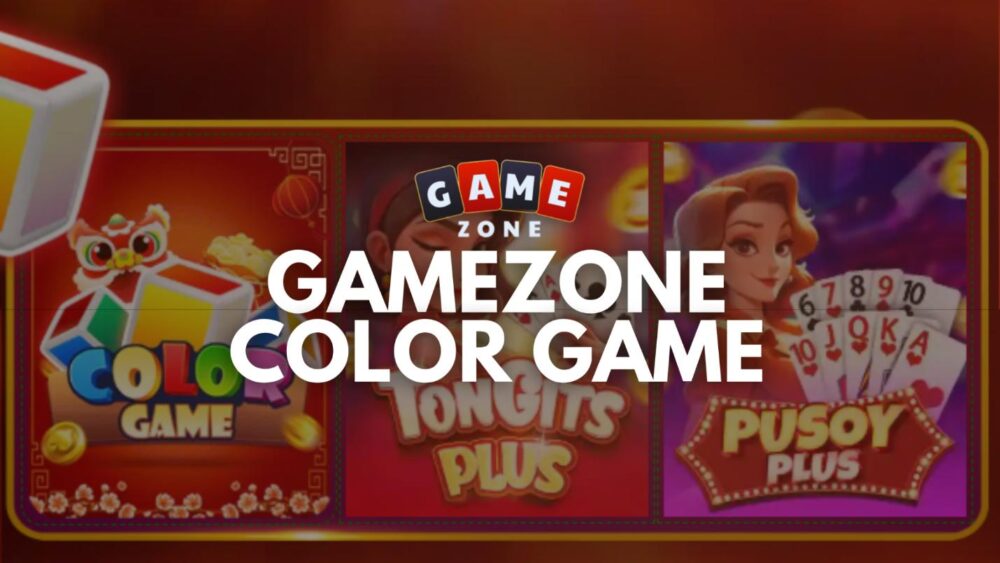
GameZone Color Game feels familiar in a way that many modern games rarely achieve. For countless Filipinos, colorful boards, festival music, and crowded fairgrounds immediately bring back memories of town fiestas and community celebrations. Long before mobile apps became part of daily life, the traditional Perya color game already occupied a special place in local culture.
Some people watched from nearby stalls while others gathered around the table to follow every result with excitement. Parents introduced the game to younger relatives while friends shared moments of anticipation during community events that often lasted late into the evening.
Today, those memories continue in a different setting.
Through GameZone, one of the country’s most recognizable carnival experiences has found a place in the digital world. The location may have changed from Fiesta grounds to smartphone screens, but the feeling remains surprisingly familiar for many players.
For some, the attraction goes beyond entertainment.
It feels like reconnecting with a small piece of Filipino tradition.
Some Games Become Trends. Others Become Memories.
Entertainment trends come and go.
A game can dominate conversations for a few years before quietly disappearing as players move toward something new. The Color Game followed a different path.
Its popularity was never built on complicated mechanics or constant reinvention.
Instead, it became part of shared Filipino experiences.
Many players remember seeing a Perya game while walking through local fairs with relatives or friends. Some remember standing beside the colorful board while waiting for the next round to begin. Others remember the energy that surrounded every result as players reacted together in excitement.
Those moments created memories that lasted far beyond the event itself.
Psychologists often describe nostalgia as one of the strongest emotional influences on entertainment choices. People naturally return to experiences that remind them of positive moments from the past.
This may explain why traditional games continue attracting new audiences decades after their introduction.
The experience feels familiar before the first round even begins.
A Local Classic Finds a New Home
There was a time when enjoying a Perya color game depended entirely on timing.
Players had to wait for the next fiesta, carnival, or community event to arrive in their town. Once the fair packed up and moved elsewhere, the experience disappeared until the following celebration.
Digital platforms changed that reality.
Today, players can revisit familiar experiences throughout the year without waiting for annual events to return. Through GameZone, a recognizable part of Filipino entertainment culture remains accessible whenever players have free time.
Convenience plays a larger role in modern entertainment than many people realize.
Many players prefer activities that fit naturally around their schedules rather than experiences that require an entire afternoon or evening. A short session after work or a few quiet moments during the day can recreate the same sense of familiarity once associated with local fairs.
Technology did not replace tradition.
Instead, it helped preserve it.
Simplicity Remains One of the Biggest Strengths
Modern games often compete by becoming larger and more complicated.
The Color Game succeeds for almost the opposite reason.
People understand it quickly.
There are no lengthy tutorials, difficult mechanics, or complicated systems standing between players and the experience itself. New players often feel comfortable after only a short time, while experienced players appreciate the straightforward nature of the gameplay.
That simplicity creates accessibility.
Players spend less time learning rules and more time enjoying the excitement that builds with every result. This has always been one of the biggest strengths of the traditional Color Game and remains one of the reasons it continues attracting players today.
Simple experiences often create stronger memories.
People remember moments of excitement far longer than they remember complicated instructions.
Familiar Experiences Create Stronger Connections
One reason local favorites continue thriving is emotional connection.
Games tied to family traditions and community gatherings often create stronger relationships with players than entertainment built entirely around trends.
The Color Game benefits from that connection.
For many Filipinos, it represents more than gameplay. It represents celebrations shared with relatives, evenings spent at local fairs, and conversations that happened while waiting for the next result.
Those memories become part of the experience itself.
Player behavior research consistently shows that familiarity influences long-term engagement more than many people realize. Players often return to experiences that feel comfortable and recognizable because those experiences provide more than entertainment alone.
They provide connection.
That connection helps explain why traditional games continue finding new audiences across generations.
Understanding Emotions Creates Better Experiences
Every form of entertainment creates emotional responses.
Gaming is no exception.
Excitement can encourage players to continue longer than they originally intended. Frustration can make disappointing moments feel larger than they really are. Both reactions are common and completely normal.
Experienced players simply become better at recognizing those emotions before making decisions.
Many establish personal limits before beginning a session. Others decide in advance how much time they want to spend enjoying the experience. Some take regular breaks during longer sessions to maintain focus and perspective.
These habits may appear simple.
Over time, they become extremely valuable.
Players who understand their own habits often maintain healthier relationships with entertainment and report more satisfying experiences over the long term.
Responsible Gaming Helps Preserve Enjoyment
Responsible gaming is often misunderstood as restriction.
Its real purpose is much simpler.
It protects enjoyment.
Experienced players frequently follow routines that help maintain balance. Some schedule breaks during longer sessions while others avoid playing when they feel tired or frustrated. These habits support healthier participation while preserving the enjoyment that attracted players in the first place.
Another important principle involves understanding independent outcomes.
Every result stands on its own regardless of previous outcomes or short-term patterns. Recognizing this helps players avoid emotional decisions while maintaining realistic expectations throughout every session.
Players who approach gaming as entertainment rather than expectation often describe more enjoyable long-term experiences.
Healthy habits usually create better experiences than complicated strategies ever could.
Why GameZone Color Game Continues to Feel Relevant
The continued popularity of GameZone Color Game reflects something many entertainment trends struggle to achieve.
It feels timeless.
The game preserves nostalgia without feeling outdated. It remains accessible without becoming repetitive. Most importantly, it combines familiar experiences with the convenience players expect from modern technology.
For many Filipinos, that balance feels natural.
Games such as Bingo, Pinoy Drop Ball, and the traditional Perya color game continue attracting attention because they represent more than entertainment.
They represent memories.
They represent traditions shared across generations.
They remind players that some experiences continue to matter regardless of how much technology changes around them.
Some games survive because they constantly reinvent themselves.
Local classics survive because people never stopped caring about them.
That may be the biggest reason GameZone Color Game continues to feel right at home on GameZone today.