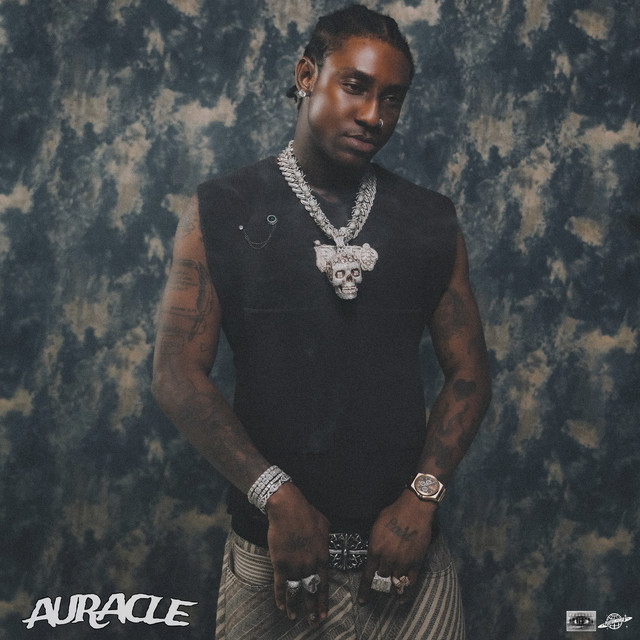
In the dynamic landscape of Afrobeats, one artist has consistently led the charge for over a decade — Wizkid.
From his beginnings as a young, vibrant talent with a distinctive voice and infectious melodies, he has risen to become one of Africa’s most influential musical icons on the global stage.
This is the remarkable journey of Ayodeji Ibrahim Balogun, widely celebrated as Wizkid, tracing his evolution from a local sensation to an international phenomenon, known as the Starboy.
Humble Beginnings and the Birth of a Superstar
Ayodeji Ibrahim Balogun, known to the world as Wizkid, was born on July 16, 1990, in the vibrant, bustling neighborhood of Surulere, Lagos, Nigeria—a place known for its rich cultural tapestry and as a breeding ground for musical talent. Growing up in a working-class community, Wizkid was immersed in a melting pot of sounds, from the rhythmic beats of fuji and juju music to the global influences of hip-hop and R&B that echoed through the streets of Lagos. This eclectic sonic environment would later shape his genre-defying approach to music.
Wizkid’s musical journey began at the tender age of 11, when he started singing in his local church choir, where his soulful voice and natural charisma quickly set him apart. It was here that he honed his vocal abilities, blending gospel influences with the raw energy of Lagos street culture. Inspired by musical icons like Fela Kuti, Bob Marley, and contemporary R&B stars, young Ayodeji dreamed of making his mark. By his early teens, he had formed a group called the Glorious Five alongside friends from church. The group recorded a handful of tracks, performing at local events and gaining modest attention in their community. Though the Glorious Five didn’t achieve widespread fame, this early experience gave Wizkid a taste of the stage and fueled his ambition to pursue music professionally.

As a teenager, Wizkid, then known by his earlier stage name “Lil Prinz,” began to make waves in the Nigerian music scene. He frequented studios in Lagos, recording covers and freestyles, and caught the ear of local producers and artists. His persistence paid off in 2009 when he collaborated with M.I. Abaga, one of Nigeria’s most respected rappers, on the track “Fast Money, Fast Cars.” The song showcased Wizkid’s ability to blend catchy melodies with streetwise lyricism, earning him buzz in the industry and marking him as a rising talent to watch.
The pivotal moment in Wizkid’s career came in 2010 when he signed with Banky W’s Empire Mates Entertainment (EME), a label that was quickly becoming a powerhouse in Nigerian music. Under Banky W’s mentorship, Wizkid refined his craft, blending his raw talent with professional polish. That same year, he released his breakout single, “Holla at Your Boy,” a smooth, infectious track that fused Afrobeats rhythms with pop sensibilities. The song’s relatable lyrics, centered around youthful romance and ambition, struck a chord with Nigeria’s youth, becoming an anthem for a generation. Its slick production and Wizkid’s effortless vocal delivery made it a staple on radio stations and in clubs across the country, cementing his status as a star on the rise.

In 2011, Wizkid doubled down on his early success with the release of his debut studio album, Superstar, under EME. The album was a cultural phenomenon, blending Afrobeats, R&B, and pop influences into a sound that felt both distinctly Nigerian and universally appealing. Tracks like “Don’t Dull,” with its playful, upbeat vibe, “Tease Me/Bad Guys,” which showcased Wizkid’s street swagger, and “Pakurumo,” a high-energy dance anthem, dominated airwaves and dancefloors. The album’s production, featuring contributions from heavyweights like Samklef and E-Kelly, was polished yet rooted in the gritty, vibrant energy of Lagos. Superstar wasn’t just a collection of songs—it was a statement of intent, proving that Wizkid was more than a one-hit wonder. He was a visionary artist helping to redefine Afrobeats for a global audience.
Beyond its commercial success, Superstar was a cultural milestone. At just 21 years old, Wizkid had crafted an album that captured the aspirations, struggles, and joys of Nigerian youth. His ability to weave relatable storytelling with infectious melodies resonated deeply, earning him accolades such as the 2011 Headies Award for Next Rated Artist and the 2012 MOBO Award for Best African Act. The album’s impact extended beyond Nigeria, laying the groundwork for Afrobeats’ global rise and establishing Wizkid as a pioneer of the genre.
The Rise of Afrobeats Street Pop: How Street Culture is Taking Over the Mainstream
By the time Superstar took over the airwaves, Wizkid had solidified his place in the pantheon of Nigerian pop. His unique blend of streetwise lyricism, charismatic delivery, and genre-blending innovation set him apart from his peers. Yet, for Wizkid, this was merely the foundation of a career that would soon transcend borders, bringing Afrobeats to the world stage. With Superstar, he wasn’t just riding the wave of a musical movement—he was helping to shape its future, proving that a kid from Surulere could become a global icon.
From Homegrown Star to International Collaborator
By the early 2010s, Wizkid had firmly established himself as a titan of Nigerian music, with his debut album *Superstar* (2011) and its follow-up *Ayo* (2014) dominating airwaves across Africa. But for Ayodeji Balogun, the kid from Surulere was never one to rest on his laurels. His sights were set far beyond the continent—he wanted to take Afrobeats to the global stage and redefine what African music could achieve. This ambition, paired with his relentless work ethic and genre-blending artistry, would soon catapult him from a homegrown hero to an international icon.
A pivotal moment in Wizkid’s journey came in 2013 when he founded Starboy Entertainment, his own record label. This was more than a business decision—it was a bold declaration of creative and professional independence. At just 23 years old, Wizkid was taking control of his destiny, carving out a platform to amplify his vision and nurture emerging African talent. Starboy wasn’t just a label; it was a movement, embodying innovation, swagger, and a futuristic approach to Afrobeats. The Starboy persona became synonymous with Wizkid’s brand—a blend of charisma, trendsetting style, and a commitment to pushing musical boundaries. Through Starboy Entertainment, he signed and mentored artists like L.A.X, Maleek Berry, and Mr Eazi, fostering a new wave of Afrobeats innovators who would further elevate the genre’s global profile.
Wizkid’s international breakthrough came in 2016, when he collaborated with Canadian superstar Drake on the track “One Dance,” featuring British singer Kyla. The song, a seamless fusion of Afrobeats, dancehall, and pop, became a global phenomenon, topping the Billboard Hot 100 for 10 weeks and charting in over 15 countries, including the UK, Canada, and Australia. With over 2 billion streams on Spotify alone, “One Dance” wasn’t just a hit—it was a cultural juggernaut. For Wizkid, this was a historic moment: he became the first Nigerian artist to co-create a No. 1 single on the Billboard Hot 100, a feat that shattered stereotypes about African music and signaled Afrobeats’ arrival on the world stage.
Afrobeats in 2025: Why West African Music is Taking Over the World
The impact of “One Dance” extended far beyond its chart success. The track introduced Afrobeats’ infectious rhythms and melodic sensibilities to mainstream pop audiences, paving the way for other African artists to gain global recognition. Wizkid’s contribution—his soulful vocals and knack for crafting universally relatable melodies—was integral to the song’s appeal. Behind the scenes, his collaboration with Drake was a meeting of equals, not just a feature. Wizkid brought his distinct sound to the table, blending Lagos’ street energy with a polished, global aesthetic. This moment marked a paradigm shift, proving that African artists could not only compete but lead in the international music industry.
Following “One Dance,” Wizkid’s global profile soared. He became a sought-after collaborator, working with artists like Beyoncé on *The Lion King: The Gift* (2019), where his contribution to “Brown Skin Girl” earned him a Grammy Award for Best Music Video in 2021. He also collaborated with the likes of Chris Brown, Major Lazer, and Skepta, each project showcasing his versatility and ability to seamlessly blend Afrobeats with R&B, dancehall, and hip-hop. His 2017 mixtape *Sounds from the Other Side*, released under Starboy and RCA Records, was a deliberate step toward global audiences, featuring tracks like “Come Closer” with Drake and “African Bad Gyal” with Chris Brown. The project solidified Wizkid’s reputation as a genre-defying artist who could bridge African and Western musical landscapes.
Wizkid’s international rise wasn’t just about personal success—it was a triumph for Afrobeats and African music as a whole. His collaborations and chart achievements opened doors for peers like Davido, Burna Boy, and Tiwa Savage, contributing to the genre’s global explosion in the late 2010s. By blending traditional African rhythms with contemporary sounds, Wizkid helped redefine pop music, proving that Afrobeats was not a niche genre but a universal language. His influence extended to fashion, culture, and youth identity, with the Starboy aesthetic—sleek streetwear, bold confidence, and African pride—inspiring fans worldwide.
By the time Wizkid was headlining sold-out shows at venues like the O2 Arena in London and collaborating with global superstars, he had transcended his role as Nigeria’s golden boy. He was a global ambassador for Afrobeats, a trailblazer who transformed the sound of a continent into a worldwide movement. Yet, true to his roots, Wizkid remained grounded, often returning to Lagos to create music that celebrated his heritage. His journey from Surulere to the global stage was not just a personal victory—it was a testament to the power of African creativity and ambition.

Sounds from the Other Side: A New Direction
By 2017, Wizkid had already conquered the African music scene and made seismic waves globally with his contribution to Drake’s chart-topping “One Dance.” The world’s eyes were now on Ayodeji Balogun, and the pressure was on to deliver a project that could solidify his status as a global trailblazer. Wizkid rose to the challenge with *Sounds from the Other Side*, a genre-defying mixtape released under Starboy Entertainment and RCA Records. This wasn’t just an album—it was a bold statement of artistic evolution, showcasing Wizkid’s ambition to transcend borders and redefine African music for a worldwide audience.
Sounds from the Other Side marked a significant departure from the traditional Afrobeats sound that defined Wizkid’s earlier work, such as his debut album “Superstar” (2011) and its follow-up “Ayo” (2014). The project was a sonic mosaic, seamlessly blending Afrobeats with Caribbean dancehall, R&B, pop, and electronic dance music (EDM). This fusion reflected Wizkid’s cosmopolitan vision, drawing from his Lagos roots while incorporating global influences he’d absorbed through years of international exposure. Tracks like “Come Closer” featuring Drake, with its sultry, dancehall-infused groove, and “African Bad Gyal” with Chris Brown, a vibrant celebration of African femininity, showcased his ability to craft music that resonates across cultures. Collaborations with artists like Major Lazer, Ty Dolla $ign, and Trey Songz further amplified the project’s universal appeal, positioning Wizkid as a versatile artist who could hold his own alongside global heavyweights.
10 Times Burna Boy Shocked The World: Afrobeats Royalty
The mixtape’s production was equally ambitious, featuring contributions from top-tier producers like Diplo, Sarz, and DJ Mustard. Songs like “Daddy Yo” pulsated with infectious energy, blending Afrobeats rhythms with EDM flourishes, while “Sweet Love” leaned into smooth R&B, highlighting Wizkid’s vocal versatility and emotional depth. Though some longtime fans in Nigeria yearned for the raw, street-level energy of hits like “Pakurumo” or “Holla at Your Boy,” “Sounds from the Other Side” was a deliberate pivot. It was Wizkid’s way of asserting that African music could compete on the global stage without losing its identity. The project wasn’t just about crossing over—it was about expanding the very definition of what African music could be, proving it could thrive in pop, dancehall, and R&B arenas while remaining unmistakably African.
Critically, “Sounds from the Other Side” was a polarizing release. Some praised its bold experimentation and polished production, with outlets like Pitchfork noting Wizkid’s ability to “weave together a sonic tapestry that feels both futuristic and rooted in African tradition.” Others felt it strayed too far from the gritty Afrobeats sound that had made him a household name in Nigeria. Yet, regardless of reception, the project underscored Wizkid’s fearless creativity and his refusal to be boxed into a single genre. It was a declaration that he was no longer just a Nigerian artist but a global pop star with a unique sonic fingerprint—one that blended Lagos’ vibrant energy with the slick sensibilities of international pop.
This phase of Wizkid’s career also saw a profound evolution in his style and persona. The teenage heartthrob who once charmed fans with his youthful exuberance had matured into a more enigmatic, introspective figure. Offstage, Wizkid became known for his reserved demeanor, letting his music and carefully curated image do the talking. The Starboy aesthetic—sleek streetwear, tailored suits, and a confident yet understated swagger—became a cultural touchstone. His fashion choices, often blending African prints with high-end designer pieces, reflected his dual identity as a proud African and a global trendsetter. This cosmopolitan yet distinctly African persona resonated with fans worldwide, from Lagos to London to Los Angeles, inspiring a generation of young Africans to embrace their heritage with pride while dreaming big on the global stage.
Beyond its musical impact, Sounds from the Other Side played a pivotal role in the global Afrobeats movement. Released at a time when Afrobeats was gaining traction in the West, the project helped cement the genre’s place in the international music industry. Wizkid’s success opened doors for other African artists, from Burna Boy to Tems, who would later build on his blueprint. His ability to collaborate with global superstars while maintaining his African identity challenged stereotypes about African music, proving it was not a niche sound but a universal force. The mixtape’s influence extended to cultural spheres, with Wizkid’s Starboy brand becoming a symbol of African excellence, innovation, and ambition.
In many ways, “Sounds from the Other Side” was a bridge between Wizkid’s Nigerian roots and his global aspirations. It showcased his ability to navigate multiple musical worlds while staying true to his heritage. By 2017, Wizkid wasn’t just participating in the global music conversation—he was helping shape it, redefining what it meant to be an African artist in a rapidly interconnected world. The project set the stage for his later triumphs, including his Grammy-winning work and sold-out shows at iconic venues like the O2 Arena. For Wizkid, *Sounds from the Other Side* was not just a new direction—it was the beginning of a legacy that would inspire generations.

Cultural Icon: Wizkid and the Global Afrobeats Explosion
By the late 2010s, Wizkid had already established himself as a trailblazer, bridging African music with global pop through projects like Sounds from the Other Side and his groundbreaking collaboration with Drake on “One Dance.” Yet, his journey to becoming a cultural icon reached new heights in 2019, when he joined forces with global superstar Beyoncé on her curated album “The Lion King: The Gift”, a companion project to Disney’s live-action remake of The Lion King. Wizkid’s contribution to the track “Brown Skin Girl,” alongside Saint Jhn and Beyoncé’s daughter Blue Ivy, was more than just a musical moment—it was a powerful cultural statement. The song, a soulful ode to Black beauty, pride, and identity, resonated deeply with audiences worldwide, particularly within the African diaspora. Wizkid’s smooth, heartfelt vocals and authentic African perspective elevated the track, making it a celebration of heritage and empowerment.
“Brown Skin Girl” became an anthem for Black excellence, with its music video showcasing diverse representations of African and African-American beauty. For Wizkid, the collaboration was a landmark achievement, placing him at the heart of a project that celebrated African culture on a global stage. The song’s impact was undeniable, earning widespread critical acclaim and a Grammy Award for Best Music Video in 2021, as well as an MTV Video Music Award and an NAACP Image Award. For a kid from Surulere, this was a full-circle moment—from singing in Lagos church choirs to sharing a Grammy-winning stage with one of the world’s biggest artists. More than that, Wizkid’s presence on the track solidified his role as a voice for the African diaspora, amplifying the narrative of African pride and resilience to millions.
While “Brown Skin Girl” showcased Wizkid’s cultural influence, his 2020 album “Made in Lagos” cemented his status as a global icon and redefined the possibilities for Afrobeats. Released on October 30, 2020, through Starboy Entertainment and RCA Records, the album was a masterclass in sonic cohesion, blending Afrobeats, R&B, and soul with a polished, introspective vibe. Unlike the high-energy, dancefloor-ready tracks of his earlier work, Made in Lagos was smooth, refined, and emotionally rich, reflecting Wizkid’s growth as both an artist and a storyteller. The album’s 14 tracks, featuring collaborations with artists like H.E.R., Burna Boy, Damien Marley, Skepta, and Tems, showcased his ability to craft music that was both deeply personal and universally relatable.
The standout track, “Essence,” featuring rising Nigerian star Tems, became a global phenomenon. With its laid-back groove, shimmering guitars, and irresistible chemistry between Wizkid and Tems, “Essence” captured the zeitgeist, earning the title of “song of the summer” in 2021. The track made history as the first Nigerian song to chart on the Billboard Hot 100, peaking at No. 9, and its remix featuring Justin Bieber further amplified its reach, introducing Afrobeats to new audiences. The song’s success was a watershed moment for African music, with Rolling Stone calling it “a genre-defining hit that brought Afrobeats to the mainstream”. Its global impact was further recognized with a Grammy nomination for Best Global Music Performance in 2022, underscoring Wizkid’s role in elevating Afrobeats to unprecedented heights.
Beyond “Essence,” Made in Lagos was packed with gems that showcased Wizkid’s versatility. Tracks like “No Stress” offered a breezy, feel-good vibe, while “Smile,” featuring H.E.R., was a heartfelt tribute to love and gratitude, complete with a nod to his Nigerian roots. “Blessed,” with Damian Marley, blended Afrobeats with reggae, reflecting Wizkid’s ability to fuse genres while staying true to his heritage. The album’s lush production, helmed by producers like P2J, Blaq Jerzee, and Sarz, created a sonic landscape that felt both intimate and expansive, earning critical acclaim from outlets like *Pitchfork*, which praised its “effortless elegance and emotional depth.”
Made in Lagos wasn’t just a commercial success—it was a cultural milestone. The album debuted at No. 15 on the Billboard 200 and topped the World Albums Chart, a testament to its global appeal. For Africa, it was a moment of pride, marking a new high-water mark for Afrobeats’ mainstream acceptance. Wizkid’s ability to craft an album that resonated with listeners from Lagos to Los Angeles highlighted his role as a cultural ambassador, bridging continents and communities. The album’s themes of love, resilience, and African pride struck a chord during a tumultuous year, offering listeners a sense of joy and connection amidst a global pandemic.
Wizkid’s influence during this period extended beyond music. His Starboy persona—sleek, stylish, and unapologetically African—became a global cultural touchstone. From sold-out shows at London’s O2 Arena to high-profile fashion campaigns with brands like Dolce & Gabbana, Wizkid embodied a new archetype of African excellence. His understated charisma and commitment to authenticity inspired a generation of young Africans to embrace their identity while chasing global dreams. Collaborations with artists like Burna Boy and Tems on *Made in Lagos* also highlighted his role as a mentor, amplifying the voices of Nigeria’s next generation of stars.
The global Afrobeats explosion, fueled in large part by Wizkid’s trailblazing, reshaped the music industry. Made in Lagos and “Essence” opened doors for other African artists, from Rema to CKay, to achieve international success. Wizkid’s Grammy win, chart-topping hits, and high-profile collaborations proved that Afrobeats was not a fleeting trend but a transformative force in global pop culture. By 2021, Wizkid had transcended his role as a musician—he was a cultural icon, a symbol of African ambition, and a catalyst for a musical revolution that showed no signs of slowing down.
Awards, Achievements & Sold-Out Shows
Wizkid’s career is a testament to his unparalleled influence, relentless consistency, and global appeal, marked by a dazzling array of awards, historic milestones, and cultural contributions that have redefined what’s possible for African artists. From Lagos to the world’s biggest stages, Ayodeji Balogun has not only built an illustrious career but also elevated Afrobeats to a dominant force in global music, breaking barriers and setting new benchmarks along the way.
Wizkid’s trophy cabinet is a reflection of his monumental impact. In 2021, he made history as the first Nigerian artist to win a Grammy Award for his contribution to Beyoncé’s “Brown Skin Girl” from The Lion King: The Gift, which took home Best Music Video at the 63rd Annual Grammy Awards. The track, a celebration of Black beauty and identity, also earned Wizkid an MTV Video Music Award, an NAACP Image Award, and a BET Award, underscoring its cultural resonance. This Grammy win was a landmark moment, symbolizing the growing global recognition of African music and cementing Wizkid’s role as a cultural ambassador for the African diaspora.
That same year, Wizkid’s “Made in Lagos” album and its standout single “Essence” (featuring Tems) shattered records. “Essence” became the first Nigerian song to chart on the Billboard Hot 100, peaking at No. 9 after a remix with Justin Bieber amplified its global reach. The song’s smooth, soulful blend of Afrobeats and R&B captivated listeners worldwide, earning it the title of “Best Song of 2021” from prestigious outlets like *Rolling Stone*, The New York Times, and Billboard. Its universal appeal and chart success marked a turning point for Afrobeats, proving the genre could dominate mainstream pop charts. In 2022, “Essence” was nominated for Best Global Music Performance at the 64th Annual Grammy Awards, and Made in Lagos itself earned a nod for Best Global Music Album, further solidifying Wizkid’s place among the elite of global music.
Wizkid’s accolades extend far beyond the Grammys. He has amassed a collection of international and domestic awards that reflect his versatility and influence. These include multiple BET Awards (including Best International Act: Africa in 2012 and 2017), MTV Europe Music Awards, MOBO Awards (notably Best African Act in 2011 and 2016), and The Headies, Nigeria’s premier music awards, where he has won numerous categories, including Artist of the Year. His Soul Train Music Awards wins, including Best Collaboration for “Essence” in 2021, highlight his ability to resonate with African-American audiences and bridge musical cultures. Additionally, Wizkid’s early recognition, such as the 2011 Headies Next Rated Award for his debut album Superstar, foreshadowed his trajectory as a generational talent.
Beyond awards, Wizkid’s achievements are defined by historic live performances that have rewritten the narrative for African artists. His sold-out shows at some of the world’s most iconic venues are not just personal triumphs but milestones for Afrobeats as a genre. In 2021, Wizkid became the first African artist to sell out London’s O2 Arena three nights in a row, with tickets for each show vanishing in minutes—a feat that underscored his massive global fanbase and the universal appeal of his music. His electrifying performances, blending high-energy Afrobeats with soulful ballads, captivated audiences and earned rave reviews, with The Guardian praising his “magnetic stage presence and genre-defying sound.”
Wizkid’s live performance resume is a testament to his global reach. He has headlined sold-out shows at Paris’ Accor Arena, London’s Royal Albert Hall, Toronto’s Scotiabank Arena, Houston’s Toyota Center, and, in 2022, New York’s Madison Square Garden, where he performed to a thunderous international crowd. The Madison Square Garden show was a historic moment, with Wizkid becoming one of the few African artists to headline the iconic venue, further proving that Afrobeats could command the world’s most prestigious stages. These sold-out performances are more than milestones—they are a bold declaration that African music is not a niche sound but a global force capable of filling arenas and captivating diverse audiences.
Wizkid’s influence extends far beyond music, as his cultural impact has reshaped fashion, youth identity, and global perceptions of African creativity. Through strategic brand partnerships with companies like Nike, Puma, and Dolce & Gabbana, Wizkid has brought African aesthetics to the forefront of global fashion. His Starboy merchandise, featuring bold designs and African-inspired motifs, has become a cultural phenomenon, embraced by fans from Lagos to Los Angeles. His personal style—blending high-end designer pieces with streetwear and traditional African fabrics—has made him a trendsetter, influencing a new generation of artists and fans to embrace their heritage with pride. Collaborations like his Nike Starboy jersey, which sold out rapidly, highlight his ability to merge music, fashion, and cultural identity into a powerful brand.
Wizkid’s achievements also include his role as a mentor and collaborator, amplifying the voices of other African artists. His work with Tems on “Essence” helped propel her to global stardom, while collaborations with Burna Boy, Skepta, and Davido have fostered a sense of unity within the Afrobeats community. Through Starboy Entertainment, he has nurtured talents like Terri and Ceeza Milli, ensuring that the next generation of African artists has a platform to shine. His contributions to projects like Drake’s *More Life* and Beyoncé’s *The Lion King: The Gift* have elevated the visibility of Afrobeats, creating opportunities for peers like Rema, Fireboy DML, and Omah Lay to thrive on the global stage.
Wizkid’s awards, sold-out shows, and cultural contributions are more than personal victories—they are transformative moments for African music and identity. He has shattered ceilings, proving that an artist from Surulere can dominate global charts, win prestigious awards, and headline iconic venues. By blending Afrobeats with universal themes of love, resilience, and pride, Wizkid has not only cemented his legacy as a global icon but also paved the way for Afrobeats to become a dominant force in the 21st-century music industry. His journey is a testament to the power of African creativity, ambition, and vision, inspiring millions to dream big and shine bright.
Legacy of a Starboy
Wizkid’s journey from the streets of Surulere to global superstardom has solidified his status as more than a musician—he is a cultural powerhouse and a beacon of African excellence. His Starboy brand, born from his 2013 founding of Starboy Entertainment, encapsulates not only his personal evolution but also the meteoric rise of Afrobeats as a dominant global genre. Through his innovative sound, genre-blending collaborations, and unapologetic celebration of African identity, Wizkid has paved an unprecedented path for younger artists like Tems, Rema, Ayra Starr, and Omah Lay. His mentorship, both through Starboy Entertainment and high-profile collaborations, has provided a blueprint for success, showing emerging talents that the global stage is not a distant dream but an achievable reality. Hits like “Essence” and albums like “Made in Lagos” have redefined Afrobeats’ place in the world, inspiring a new generation to carry the torch with pride and ambition, while his sold-out shows at venues like the O2 Arena and Madison Square Garden stand as proof that African music can command the world’s biggest platforms.
What sets Wizkid apart is his ability to remain a cultural and musical titan without compromising his artistic authenticity. Rather than chasing fleeting trends, he sets them, crafting a sound that evolves while staying deeply rooted in the Lagos street culture and African rhythms that shaped him. His subtle yet soulful vocals, magnetic stage presence, and knack for seamless collaborations with global stars like Beyoncé, Drake, and Justin Bieber demonstrate a versatility that transcends borders. Yet, whether he’s blending Afrobeats with R&B, dancehall, or pop, Wizkid’s music retains an unmistakable African essence, reflecting his commitment to his heritage. His influence extends beyond music into fashion and youth culture, with the Starboy aesthetic—bold, stylish, and proudly African—inspiring fans worldwide. As he continues to push boundaries with new projects and collaborations, Wizkid’s legacy is one of resilience, innovation, and cultural pride, ensuring that his impact as the Starboy will resonate for generations, not just in Africa but across the globe.
Conclusion: Still Evolving
Wizkid’s remarkable journey from a young dreamer in Surulere, Lagos, to a global icon as the Starboy is not merely the story of one artist’s rise—it is the narrative of a cultural revolution. His evolution from the teenage sensation behind “Superstar” to the genre-defying visionary of “Made in Lagos” mirrors the ascent of Afrobeats from the vibrant streets of Lagos to the global airwaves. Through his innovative sound, fearless collaborations with artists like Beyoncé, Drake, and Tems, and his unapologetic celebration of African identity, Wizkid has reshaped the music industry. His ability to blend Afrobeats with R&B, pop, and dancehall has not only brought African music to the mainstream but also redefined what it means to be a global pop star. From his historic Grammy win for “Brown Skin Girl” to the chart-topping success of “Essence,” Wizkid has broken barriers, proving that African artists can lead the global conversation while staying true to their roots. His sold-out shows at iconic venues like London’s O2 Arena and New York’s Madison Square Garden stand as testaments to his universal appeal, marking Afrobeats as a dominant force in the 21st-century music landscape.
Yet, even with a trophy case brimming with Grammys, BET Awards, and MOBO Awards, and a legacy that has inspired artists like Rema, Ayra Starr, and Omah Lay, Wizkid remains a restless innovator, far from finished. His Starboy persona—sleek, enigmatic, and proudly African—continues to evolve, pushing boundaries in music, fashion, and culture. Through Starboy Entertainment, he nurtures new talent, ensuring Afrobeats’ future shines as brightly as its present. His influence extends beyond sound, with partnerships with brands like Nike and Dolce & Gabbana amplifying African aesthetics on a global stage. With millions of fans chanting his name and new projects on the horizon, one thing is undeniable: Wizkid is still rising. His story is a living testament to the power of authenticity, ambition, and cultural pride, proving that a kid from Lagos can not only reach for the stars but become one, illuminating the path for generations to come.