Afrobeats has transcended its origins in the vibrant streets of Lagos and Accra to become a global juggernaut, reshaping the music industry and captivating listeners from every corner of the world. Once considered a regional sound rooted in African rhythms, highlife, dancehall, and hip-hop influences, it has now evolved into a dominant force on international charts. Today, Afrobeats regularly earns Grammy nominations, tops Billboard rankings, and fills arenas across Europe, North America, and beyond. Its infectious beats, energetic percussion, and rich storytelling have made it a staple in global pop culture, from TikTok trends to festival main stages. What was once niche is now universal, embraced by diverse audiences and celebrated for its unique blend of rhythm and soul.
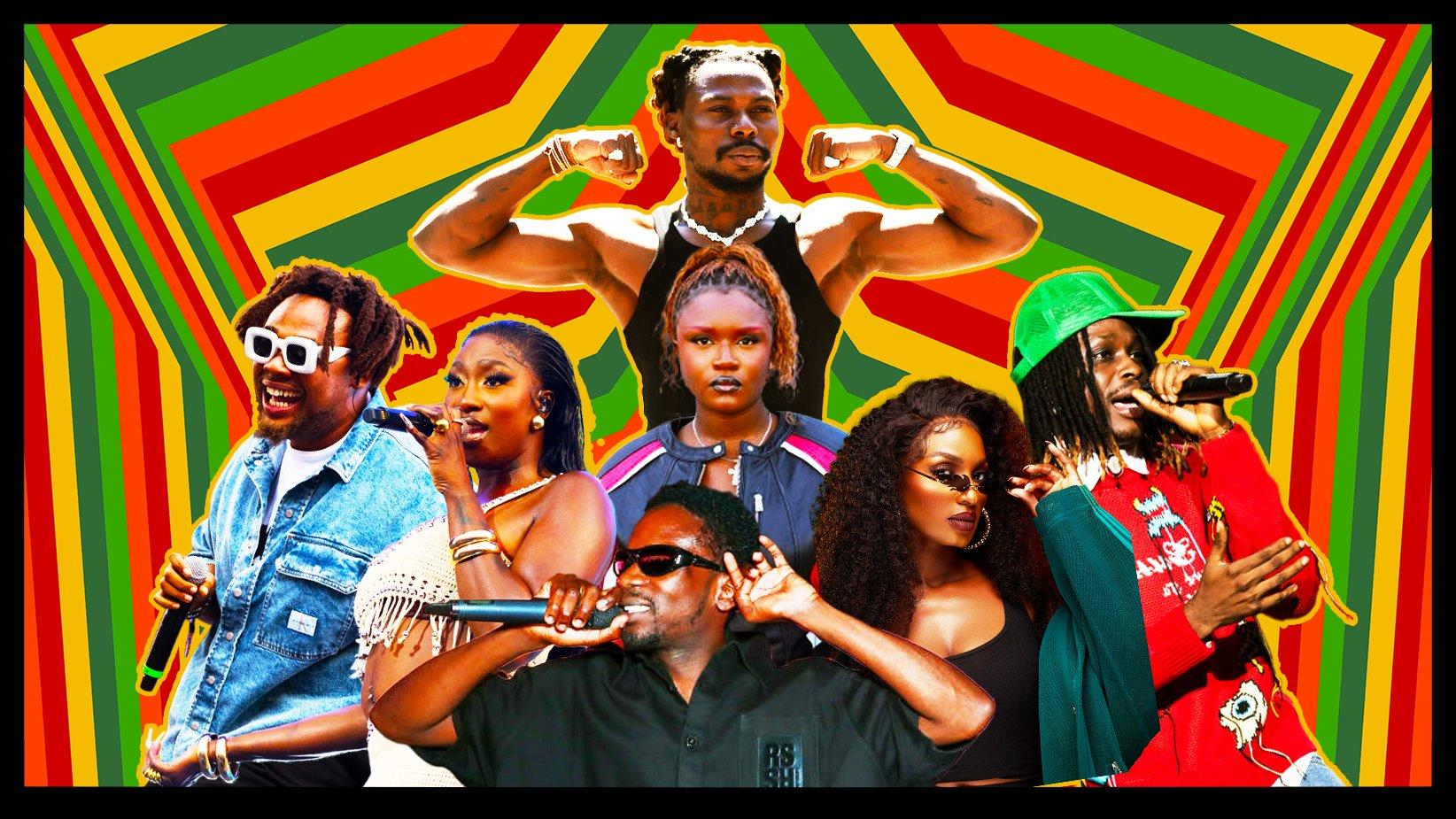
This meteoric rise is powered by a new wave of artists like Burna Boy, Rema, Tems, Ayra Starr, Asake, and Wizkid—trailblazers whose music effortlessly fuses authenticity with international appeal. They are not just making music; they’re shaping the future of sound and rewriting the rules of global stardom. Major record labels from Los Angeles to London and Johannesburg are scrambling to sign the next breakout act, recognizing that Afrobeats is more than just a trend—it’s a movement. Streaming platforms like Spotify, Apple Music, and YouTube are playing a crucial role, curating dedicated playlists and spotlighting African artists like never before. Global collaborations with stars such as Drake, Justin Bieber, and Selena Gomez have further elevated the genre’s visibility. Afrobeats isn’t just having a moment—it’s leading a cultural revolution that’s redefining the sound of the world.
Why Labels See Afrobeats as More Than Just Sound
Afrobeats has grown far beyond its musical roots to become a global cultural force. For record labels, it’s not just about catchy rhythms or chart-topping hits—it’s about the entire lifestyle that comes with it. From fashion and dance to storytelling and social influence, Afrobeats offers a vibrant, multidimensional package that labels are eager to invest in.
Here are some of the key reasons why record labels view Afrobeats as more than just music—they see it as a gateway to culture, creativity, and global influence.
-
Afrobeats Is Taking Over Global Charts
In the age of streaming, numbers don’t lie—and Afrobeats is speaking volumes with every chart it climbs and every playlist it dominates. Once a regional rhythm pulsing through the vibrant streets of Lagos and Accra, Afrobeats has transformed into a global powerhouse, commanding the attention of listeners across continents. Its rise has been nothing short of phenomenal, fueled by a perfect storm of infectious melodies, digital virality, and a growing global appetite for African creativity.
On platforms like Spotify, YouTube, and Apple Music, Afrobeats tracks are not just being heard—they’re being replayed, reshared, and celebrated by millions. Rema’s “Calm Down,” supercharged by Selena Gomez’s feature, has shattered records and introduced the genre to an entirely new audience. CKay’s “Love Nwantiti” became a cultural phenomenon, sweeping across TikTok trends and dance floors worldwide. Oxlade’s “Ku Lo Sa” and Burna Boy’s “Last Last” have become staples on global streaming charts, proving that Afrobeats can deliver both emotional depth and dancefloor energy.
These aren’t isolated success stories—they represent a broader movement. Afrobeats singles now routinely break into Spotify’s Global Top 50, dominate Apple Music’s global rankings, and maintain a stronghold on the Billboard U.S. Afrobeats Songs Chart. What’s more impressive is their staying power: these songs linger, grow, and become anthems, holding their own alongside hits from pop icons, Latin superstars, and hip-hop heavyweights. It’s a clear signal that Afrobeats isn’t just participating in the global music conversation—it’s shaping it.
But this explosive success isn’t just some lucky streak. The genre’s infectious rhythms, deeply emotional lyrics, and ability to blend African identity with global influences give Afrobeats a rare and undeniable universality. It resonates with listeners from Lagos to London, New York to New Delhi. As a result, record labels, streaming platforms, and promoters are no longer asking if Afrobeats will break into new markets—they’re figuring out how to get in early. This kind of consistent performance signals something critical to the music industry: staying power. Afrobeats isn’t a fleeting trend or viral blip—it’s carving out a permanent lane in the global music economy. And for industry players, that means one thing: invest now, or risk being left behind.
-
Afrobeats Has Become A Commercial Powerhouse
Beyond the staggering streaming numbers, Afrobeats is proving its commercial firepower on a massive, global scale. The genre’s top stars—Wizkid, Burna Boy, and Davido—aren’t just dominating charts; they’re packing out some of the world’s most prestigious venues. From the O2 Arena in London to Madison Square Garden in New York City, these artists are consistently selling out shows in record time. And these aren’t ordinary concerts—they’re full-blown cultural spectacles. Each performance becomes a celebration of African excellence, attracting fans from all walks of life and turning arenas into melting pots of culture, rhythm, and energy.
The ability to headline and sell out arenas across multiple continents speaks volumes about the reach and influence Afrobeats has cultivated. It signals a level of global demand that even the most powerful record labels can’t afford to overlook. These landmark shows are also commercial goldmines—boosting ticket sales, merchandise, sponsorships, and media coverage—while simultaneously elevating the stature of Afrobeats on the world stage. What we’re witnessing is no longer a genre fighting for recognition—it’s a cultural movement with undeniable star power and staying power, commanding stages and hearts far beyond its origins.
But the impact of Afrobeats goes far beyond sold-out arenas and ticket sales. The genre has become a goldmine for brand partnerships, sync licensing, and lifestyle-driven marketing. Major corporations and global brands are increasingly aligning themselves with Afrobeats artists, drawn by their massive influence and deep connection with young, trend-savvy audiences. From endorsements with fashion labels and beverage companies to appearances in high-profile commercials and film soundtracks, Afrobeats has proven itself to be more than just a sound—it’s a brand in itself.
This cultural reach extends into fashion, dance, and everyday lifestyle, where Afrobeats continues to set the tone for what’s cool and current. The genre’s stars don’t just make hits—they start movements, inspire trends, and influence global culture in real time. Their visuals, stagecraft, and personal style are often emulated, turning music videos into fashion lookbooks and social media feeds into global billboards. For record labels, this means that signing an Afrobeats artist isn’t just a musical investment—it’s a gateway into a thriving, multi-dimensional ecosystem. It’s a chance to tap into a vibrant cultural wave that blends art, identity, and commerce into a single, powerful force.
-
Capturing the Global Youth Market
Afrobeats possess a rare and powerful ability to connect with Gen Z and millennials—the very demographics that dominate streaming platforms and dictate global cultural trends. These are the digital natives who live online, set the pace for what’s popular, and shape the future of entertainment. Afrobeats resonate deeply with them, thanks to its infectious energy, vibrant visuals, and emotionally honest storytelling. It’s music that feels alive—made for sharing, vibing, and moving to.
Platforms like TikTok, Instagram Reels, and YouTube Shorts have only supercharged this connection. Tracks by artists such as Asake, Fireboy DML, Ayra Starr, and Omah Lay frequently become the soundtrack to viral dance trends, comedy skits, and creative content produced by users from Lagos to Los Angeles. These songs don’t need expensive campaigns to go global—they move through peer-to-peer engagement, spreading like wildfire through the very communities brands and labels are desperate to reach. For the music industry, this kind of organic, youth-driven momentum is a gold standard. Afrobeats artists offer a direct line to trendsetting, digitally fluent audiences who aren’t just consumers—they’re culture creators. And in today’s attention economy, that’s priceless.
At the heart of Afrobeats’ global rise is its authenticity and undeniable energy—qualities that resonate deeply with younger audiences. In a music landscape saturated with formulaic sounds, Afrobeats feels fresh, vibrant, and emotionally real. Its rhythms are infectious, its lyrics often speak to everyday experiences, and its production blends tradition with innovation in a way that feels both local and global. For Gen Z and millennials—audiences constantly in search of something original and meaningful—Afrobeats hits the sweet spot.
This genuine connection translates into more than just passive listening. Young fans aren’t just streaming Afrobeats—they’re dancing to it, sharing it, remixing it, and making it part of their digital identity. From creating TikTok challenges to designing fan art, their engagement spans far beyond the music itself. By signing Afrobeats talent, record labels tap into a dynamic global youth culture that is not only consuming content but actively participating in shaping it. In a world where influence is everything, Afrobeats artists bring more than hits—they bring movements.
-
Smarter, More Flexible Deals
Gone are the days of rigid, one-size-fits-all record contracts that boxed artists into restrictive deals. As Afrobeats continues its global takeover, the music industry is evolving to meet the moment. Major labels are no longer trying to simply sign African talent and take control—they’re recognizing the value of collaboration, cultural nuance, and local expertise. To stay competitive in the Afrobeats space, today’s labels are offering more creative, flexible arrangements that benefit both artists and the industry at large.
Rather than sticking to outdated contract models, many global music companies are now forming licensing agreements, strategic distribution partnerships, and joint ventures with influential African-based labels such as Mavin Records, Chocolate City, DMW, and YBNL. These partnerships allow African labels to maintain creative control and cultural authenticity while leveraging the global infrastructure, marketing muscle, and financial backing of international giants. It’s a win-win: artists get broader exposure without losing their roots, and labels gain access to some of the most exciting and commercially viable talent in the world. This new model reflects a broader shift—one where Afrobeats is no longer being “discovered,” but respected and invested in as a global force.
These strategic partnerships are redefining how the global music industry engages with African talent. By teaming up with established local labels, international music companies gain something invaluable—authentic, on-the-ground expertise and cultural credibility. These African labels know the landscape, the audience, and the pulse of the market in ways that can’t be replicated from afar. In return, international partners bring global distribution networks, world-class marketing resources, and access to platforms that can catapult a regional hit into a worldwide anthem.
For African artists, this model offers the best of both worlds. They retain greater creative control, stay rooted in their culture, and continue working with teams that understand their vision—while also reaching global audiences at an unprecedented scale. There’s no need to compromise authenticity for exposure. It’s a mutually beneficial arrangement that has proven essential in fueling the genre’s rapid rise. As a result, Afrobeats isn’t just crossing borders—it’s rewriting the rules of global music collaboration, showing that respect, equity, and shared success are the keys to sustainable growth.
-
Afrobeats as a Cultural Powerhouse
What makes Afrobeats so irresistible to record labels isn’t just the music—it’s the entire cultural package that comes with it. Afrobeats artists are not confined to the role of musicians; they are dynamic storytellers, trendsetters, and cultural ambassadors who carry the spirit of a continent with them. Their art is layered—with sound, visuals, fashion, and identity all woven into a single, compelling brand. Labels aren’t just signing hitmakers—they’re investing in full-spectrum creative forces who can influence everything from pop culture to fashion runways.
Take stars like Tems, Ayra Starr, and Odumodublvck, for example. Tems brings an ethereal sound paired with a deeply introspective presence that challenges norms and commands respect. Ayra Starr fuses Gen Z energy with bold fashion statements and lyrical confidence, creating a brand that speaks directly to young, global audiences. Odumodublvck, with his raw storytelling and edgy street style, represents a new wave of urban African identity. These artists don’t just release songs—they build worlds. For record labels, that kind of multidimensional appeal is marketing gold. It means more than music sales; it means influence, relevance, and long-term brand power in a cultural landscape where attention is everything.
This cultural richness unlocks a universe of opportunities for record labels to tap into revenue streams far beyond traditional music sales. With Afrobeats artists operating as full-fledged lifestyle brands, labels can explore everything from exclusive merchandise lines and fashion collaborations to global tour circuits, brand sponsorships, and original content creation across platforms like YouTube, Netflix, and TikTok. Visual storytelling—through documentaries, music videos, and short-form content—has become a powerful extension of the Afrobeats experience, further deepening audience engagement.
Afrobeats isn’t just a genre—it’s a movement and a lifestyle that touches fashion, dance, language, and even tech. Its artists embody the fusion of creativity and commerce, with fanbases that are loyal, global, and eager to buy into every layer of the culture. For labels, this means more than signing a hitmaker; it means investing in a brand that can generate long-term returns across multiple industries. In an era where music alone isn’t enough to sustain relevance, Afrobeats offers a blueprint for building lasting cultural empires.
Some Nigerian Artists Signed to International Labels
The global rise of Afrobeats has led to a growing number of Nigerian artists securing deals with major international record labels, amplifying their reach and solidifying their place on the world stage. Here are some prominent Nigerian artists who have signed with foreign labels, showcasing the genre’s international appeal:
- Wizkid: Signed to RCA Records, a subsidiary of Sony Music, in 2016, Wizkid’s deal came after his global breakout with the “Ojuelegba” remix featuring Drake and Skepta. His album *Sounds from the Other Side* marked his major-label debut, blending Afrobeats with international influences.
- Ayra Starr: Her partnership with Roc Nation in July 2025 marked a significant milestone in Afrobeats’ global rise. The Nigerian singer, known for her soulful voice and genre-blending style, caught the attention of the American entertainment powerhouse founded by Jay-Z. This move not only expanded her reach beyond Africa but also signaled Roc Nation’s recognition of Afrobeats as a dynamic force in global music. With Ayra Starr, the label isn’t just signing a rising star—they’re investing in a cultural movement that continues to reshape the international soundscape.
- Davido: In 2016, Davido became the first Nigerian artist to sign with Sony Music through RCA Records. He has since balanced his international career with running his own label, Davido Music Worldwide (DMW), which nurtures talents like Mayorkun and Peruzzi.
- Burna Boy: After leaving Nigeria’s Aristokrat Records, Burna Boy signed with Bad Habit/Atlantic Records in the U.S. and Warner Music Group internationally in 2017. His 2018 album *Outside* and a publishing deal with Universal Records further cemented his global presence.
- Tems: Tems signed with RCA Records, an American record label that is part of Sony Music Entertainment. She signed with them in 2021 and released her second EP, “If Orange Was a Place,” shortly after. She also collaborated with Future and Drake on the song “Wait for U”, where her vocals from “Higher” were sampled, leading to her being credited as a featured artist.
- Tiwa Savage: In 2019, Tiwa Savage signed a publishing and distribution deal with Universal Music Group’s Motown Records division after years with Mavin Records. Her singles like “49-99” and her album *Celia* have kept her at the forefront of Afrobeats globally.
- Olamide: The YBNL boss signed a joint venture deal with Empire Distribution Records in 2020, allowing his label’s artists, including Fireboy DML and Asake, to benefit from global distribution while maintaining creative control.
- Asake: In 2025, Asake signed a global distribution deal with Gamma, joining other boundary-pushing artists on the label. This move follows his chart-topping success with hits like “Badman Gangsta” featuring French rapper Tiakola.
- Amaarae: The Ghanaian pop star signed to Interscope Records where she dropped her second album, Fountain Baby. Her debut album, Passionfruit Summers, was released independently through her own label, Golden Child LLC. She also has a publishing deal with Concord Music Publishing in partnership with Immensum Music.
- Asa: The Nigerian-French singer is signed to Paris-based Naïve Records and Sony BMG, with her soulful blend of Afrobeats and folk resonating globally. Her 2022 album *V* featured collaborations with Wizkid and The Cavemen.
- Patoranking: The reggae-dancehall star signed with VP Records, a New York-based label specializing in Caribbean music, in 2015, after starting with Nigeria’s Igberaga Records. His deal has helped him reach a broader audience with hits like “Abule.”
- Seyi Shay: The British-Nigerian singer signed a global recording contract with Island Records (Universal Music Group) in 2015, releasing her debut album “Seyi or Shay”. She’s since explored Afropop and R&B, maintaining relevance through endorsements and media roles.
- Brymo: After leaving Chocolate City, Brymo signed a recording and distribution deal with U.S.-based Tate Music Group in 2015, blending Fuji, R&B, and pop in his unique sound.
These artists highlight the growing trend of Nigerian musicians securing international deals, which provide access to global distribution, marketing, and networks while allowing them to maintain their cultural roots and creative independence.
Conclusion: The Future Is African
The rush to sign Afrobeats artists is more than just a business strategy—it reflects a deeper recognition of Africa’s expanding influence on the global music stage. Once overlooked by major players in the industry, the continent is now seen as a powerhouse of creativity, rhythm, and cultural innovation. Afrobeats, born from a blend of traditional African rhythms, hip-hop, dancehall, and highlife, has evolved into a genre that speaks to a global audience, uniting people across continents with its infectious energy and relatable storytelling.
At the heart of this movement are Africa’s youthful, bold, and visionary artists who are not only making hits but shaping trends. Stars like Burna Boy, Wizkid, Tems, and Rema are redefining what it means to be global superstars—commanding massive streaming numbers, headlining festivals worldwide, and earning critical acclaim on prestigious platforms like the Grammys and Billboard charts. Labels are increasingly aware that investing in Afrobeats means tapping into a sound that is both commercially viable and culturally rich.
Moreover, Afrobeats is more than music—it’s a lifestyle, a fashion statement, and a cultural export. As international audiences continue to embrace African sounds with open arms, and as collaborations between African and Western artists become more frequent, the momentum only grows stronger. The Afrobeats revolution is not a passing trend—it’s a movement that’s reshaping the future of global music, and record labels know they can’t afford to be left behind.
For record labels, the message couldn’t be clearer: Afrobeats isn’t just a passing trend—it’s a cultural wave with staying power. It’s a movement that’s redefining global pop music, shifting the center of gravity toward Africa. Labels that recognize this shift are moving fast to align with the sound, the energy, and the global appeal that Afrobeats brings. Those who hesitate risk missing out on one of the most exciting and lucrative evolutions in modern music.
As the world continues to groove to the vibrant rhythms coming out of Lagos, Accra, Johannesburg, and beyond, it’s obvious that this is more than just a musical moment—it’s a global takeover. African artists are setting the pace, dictating the vibe, and drawing international attention with every release. The future of music is unmistakably African, and the race to sign its brightest stars isn’t winding down—it’s only just getting started.